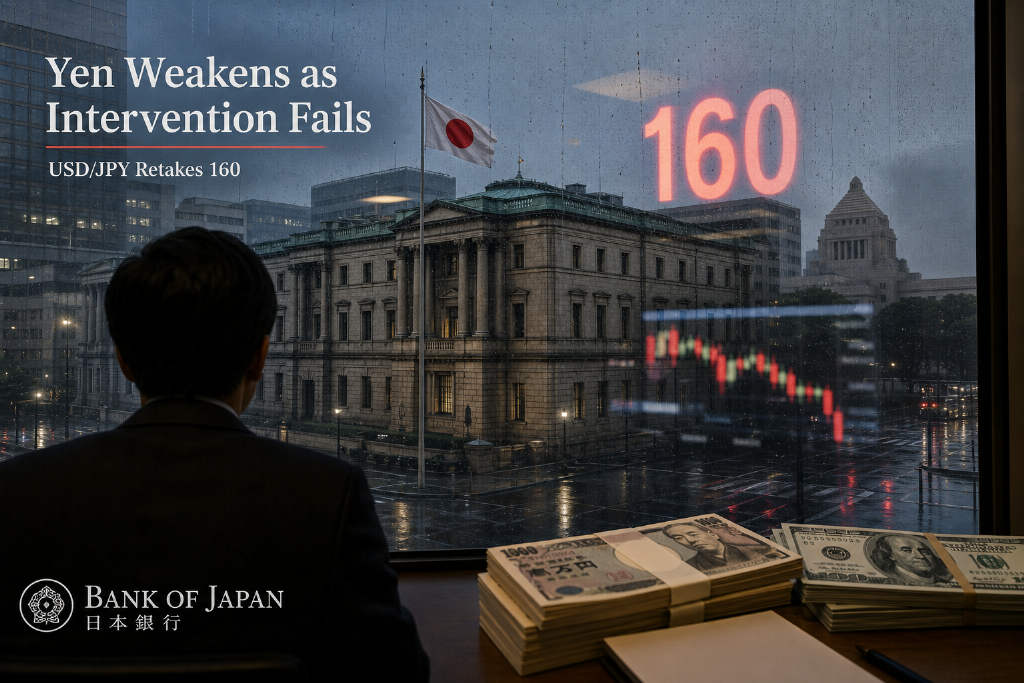
Scott Bessent2026-09-09 03:54:10Bessent Dares Yen Shorts as Markets Brace for Sept. 18 BOJ DecisionU.S. Treasury Secretary Scott Bessent publicly challenged traders betting against the Japanese yen, saying he holds asymmetric information that the market does not have and that he has a clear read on what the Japanese government and the Bank of Japan may do next. Speaking at an event at Southern Methodist University in Texas on Sept. 8, Bessent said anyone wanting to bet on the yen is welcome to trade against him. The remarks came after a July 31 joint move by U.S. and Japanese authorities to support the yen, an intervention that initially lifted the currency but failed to hold its gains for long. By the end of August, USD/JPY had climbed back above 160. In September, however, the move reversed, with the pair dropping to 153.75. Based on the Sept. 1 level of 160, the yen recovered more than 4% in nine days. BlockTempo said pressure from Washington has come on both monetary and fiscal fronts, while Bloomberg reported that the Bank of Japan is inclined to raise rates by 25 basis points on Sept. 18. Markets are now watching that meeting closely, with attention also on how any faster tightening path could affect carry trades and risk assets including bitcoin and U.S. equities.870
Policy Regula2026-09-09 00:16:20U.S. Treasury Secretary Bessent Dares Yen Shorts to Trade Against HimU.S. Treasury Secretary Bessent said traders trying to short the yen are free to challenge him, arguing that he now makes market judgments with what he described as "inside information" or, more specifically, asymmetric information. Speaking about criticism that a treasury secretary takes risks by entering the market, Bessent said that setup suits him because he has an information advantage. He also revisited several past interventions, including a joint yen purchase with the Japanese government on July 31. The yen strengthened sharply at the time, but part of that gain faded over the following trading sessions. According to his account, some traders pointed to limits on the amount of foreign exchange funding the U.S. Treasury could deploy for such purchases. Bessent, who previously served as a hedge fund executive, said that when authorities step into the yen market, he has a fairly good sense of what the Japanese government, the Bank of Japan, and Japanese policymakers are likely to do next. He then delivered a direct challenge, saying that if traders want to oppose him, they are welcome to try.770
Bank of Japan2026-09-03 03:02:31Traders brace for possible yen intervention ahead of Bank of Japan decision and Silver Week holidayCurrency traders are watching closely for a possible round of Japanese intervention in the foreign exchange market as the Bank of Japan approaches its policy decision. The timing has drawn extra attention because the announcement will be followed by a three-day holiday, a period when thinner liquidity could make intervention easier to execute and harder for markets to absorb. The yen extended Wednesday’s gains into Thursday, reflecting nervous positioning ahead of the BOJ’s Sept. 18 meeting, where markets widely expect a rate hike. Investors are also looking back to April, when Japanese authorities waited until a domestic holiday period to carry out their first intervention of 2024. That precedent is feeding speculation that officials could use the upcoming Silver Week break in a similar way. Commonwealth Bank of Australia strategist Carol Kong said the holiday could add uncertainty to yen moves because market liquidity may fall even more, while a renewed test of prior intervention levels in USD/JPY around the BOJ meeting would raise the odds of official action.960
Japan2026-08-30 06:48:54Japan’s $96.4 Billion FX Defense Loses Ground as USD/JPY Returns Above 160Japan’s record $96.4 billion currency intervention has failed to keep the yen below the closely watched 160-per-dollar threshold for even a month. On Aug. 28, USD/JPY rose about 0.5% intraday to around 160.20 and finished at 160.10, erasing more than half of the gains secured during the earlier intervention campaign. The move has renewed scrutiny over whether Tokyo will step back into the market and whether 160 still functions as a meaningful line of defense. The political dispute in Washington has added another layer. Senator Elizabeth Warren questioned the legality and transparency of the U.S. Treasury’s participation in the joint buying operation and asked Treasury Secretary Bessent to explain the size and source of the funds. In a written reply dated Aug. 28, Bessent framed the issue less as support for the yen and more as protection for the U.S. Treasury market, arguing that a disorderly yen slide could force major holders of Treasuries to sell and raise borrowing costs for American households and businesses. The report also points to stronger U.S. dollar momentum, higher Treasury yields, renewed expectations of further Federal Reserve rate hikes, and expanding hedge fund short positions against the yen. With the Bank of Japan’s Sept. 17-18 policy meeting approaching, markets are also watching the risk of another carry-trade unwind that could spill into global equities and crypto assets.970
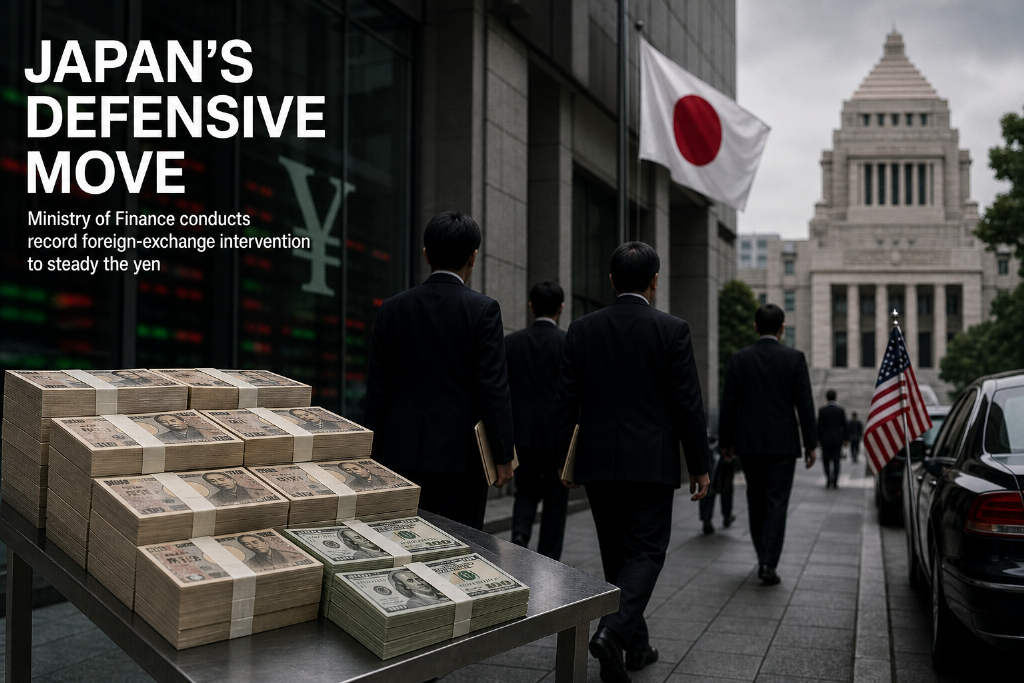
Japan2026-08-28 10:28:04Japan Spends Record $96.4 Billion in Single Month to Support YenJapan's Ministry of Finance reported a record ¥15.4 trillion (about $96.4 billion) in currency intervention from July 30 to August 26, after the yen slid to a 40-year low. The U.S. joined the coordinated action, and both finance chiefs signaled readiness to intervene again if needed.1020
Bank of Japan2026-08-25 22:15:44Reuters survey finds most economists expect another BOJ rate hike in SeptemberA Reuters survey found that most economists now expect the Bank of Japan to move faster than previously thought and raise rates again in September, with the terminal rate likely to end up higher as well. In the poll, 57% of economists said they expect a rate hike next month, a sharp increase from 5% in Reuters’ July survey. Ayako Fujita, chief Japan economist at JPMorgan, said delaying a rate increase could trigger market volatility. Separately, more than two-thirds of respondents said the recent joint U.S.-Japan foreign exchange intervention had limited effect. The findings point to a notable shift in economist expectations around the BOJ’s near-term policy path and how effective recent efforts have been in the currency market.960
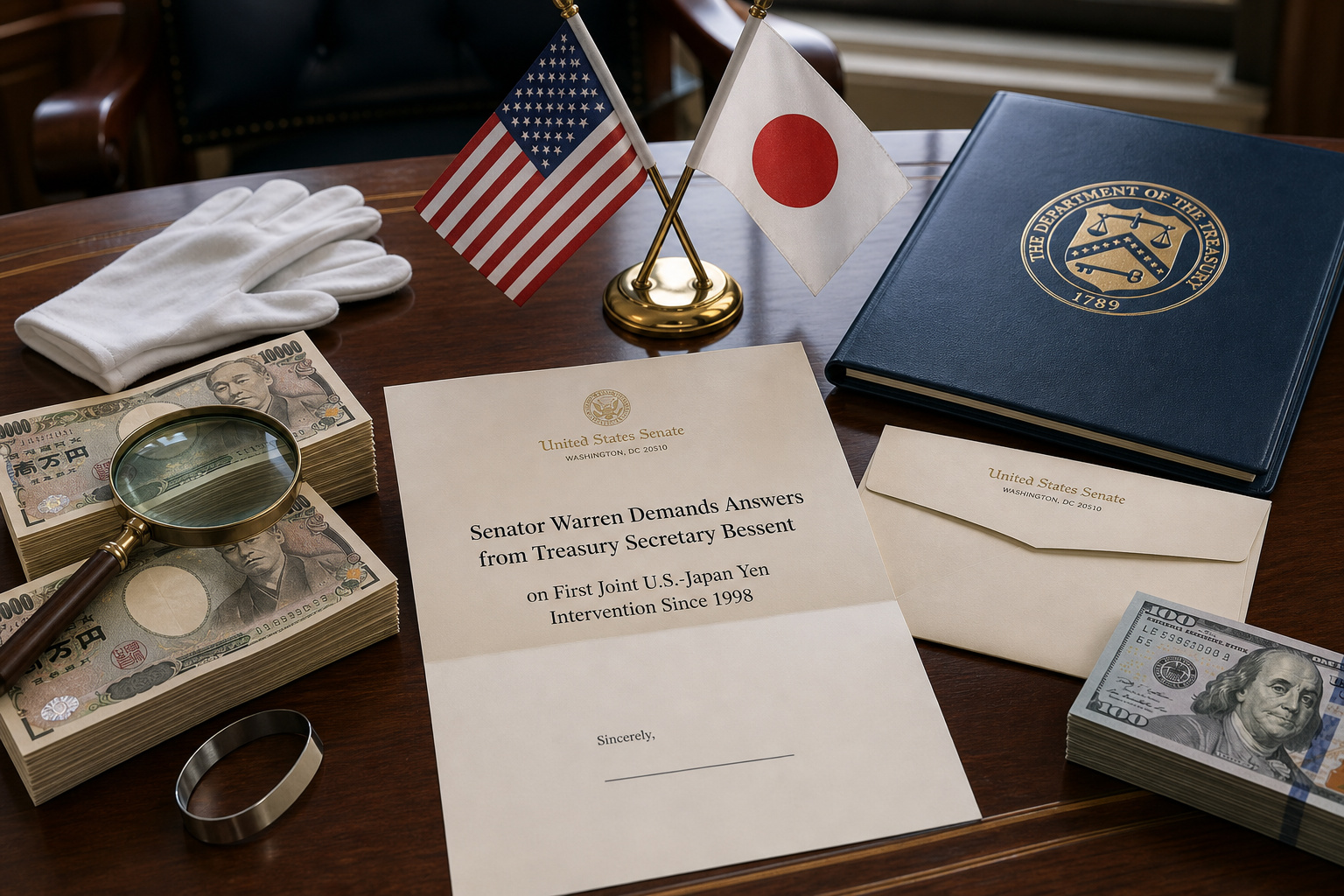
Elizabeth War2026-08-14 14:21:03Warren asks Bessent to explain basis and size of yen interventionU.S. Democratic Senator Elizabeth Warren has asked Treasury Secretary Bessent to explain the basis for the Trump administration’s intervention in the Japanese yen market. In a letter dated Aug. 13, Warren said the administration had not provided a detailed justification for the move. She also said it had not disclosed how much money was used to buy yen. Bessent confirmed that the United States and Japan had carried out a joint foreign-exchange intervention to support the yen. According to the report, this was the first such coordinated action by the two countries since 1998. He did not disclose the amount of funds involved. The report attributes the information to ChainCatcher.1260
Policy Regula2026-08-13 02:36:28Yen Slips Back to 159 as U.S.-Japan Intervention Loses TractionThe Japanese yen moved back toward the 159 level on Aug. 12, a sign that the impact of the latest U.S.-Japan intervention is fading. The currency briefly fell 0.1% to 159.39 before closing little changed, while its recent weakness has already erased roughly half of the gains triggered by the joint action. According to the source cited in the original report, the U.S. Treasury on July 31 used the New York Fed to instruct Goldman Sachs and Morgan Stanley to sell euros and buy yen, marking the first direct U.S. participation in yen intervention in nearly 30 years. That move helped lift the yen from around 163 to 155. The report says the rebound did not hold because elevated U.S. Treasury yields and rising international oil prices restored support for the dollar and added pressure on Japan, which relies on imported energy. Market attention is now shifting to the Bank of Japan’s next policy meeting in September. Several strategists cited in the report argue that unless the BOJ moves more decisively toward policy normalization, intervention alone will have limited effect. With 160 now seen as a political red line, traders are watching for the possibility of another round of official action if the yen weakens quickly again.1560